
Free National Services
Endometriosis, Adenomyosis, Pelvic Pain and related conditions.
36 YEARS OF EXPERIENCE
We’re stronger together.
Established in 1988, QENDO advocates for those affected by endometriosis and other pelvic health related conditions across Australia and New Zealand. Our work assists in advising and advocating for improved services and quality of life for our members.
QENDO is a peak organisation for those affected by endometriosis, adenomyosis, PMOS, infertility or pelvic pain, by lobbying for national programs, better healthcare access, support, offering them the tools, services and programs to understand and take control of their health.
We’re here to support you, every step of the way.
QENDO FREE Helpline - Support When You Need It Most
QENDO provides compassionate, practical support to anyone impacted by endometriosis, pelvic pain, PMOS, adenomyosis, and infertility. Whether you’re newly diagnosed, navigating treatment options, or feeling isolated in your journey, our team is ready to listen, guide, and connect you to the help you need.

Free Services for
Endometriosis, Adenomyosis, PMOS, and other pelvic pain.


We recognise the importance of balancing education, awareness, and action. Our assistance empower workplaces to start conversations and grow their impact.

The QENDO app is a free, community-developed tool that helps individuals to track, record, and access support and information all in one place.


Tanya Hennessy
QENDO Ambassador
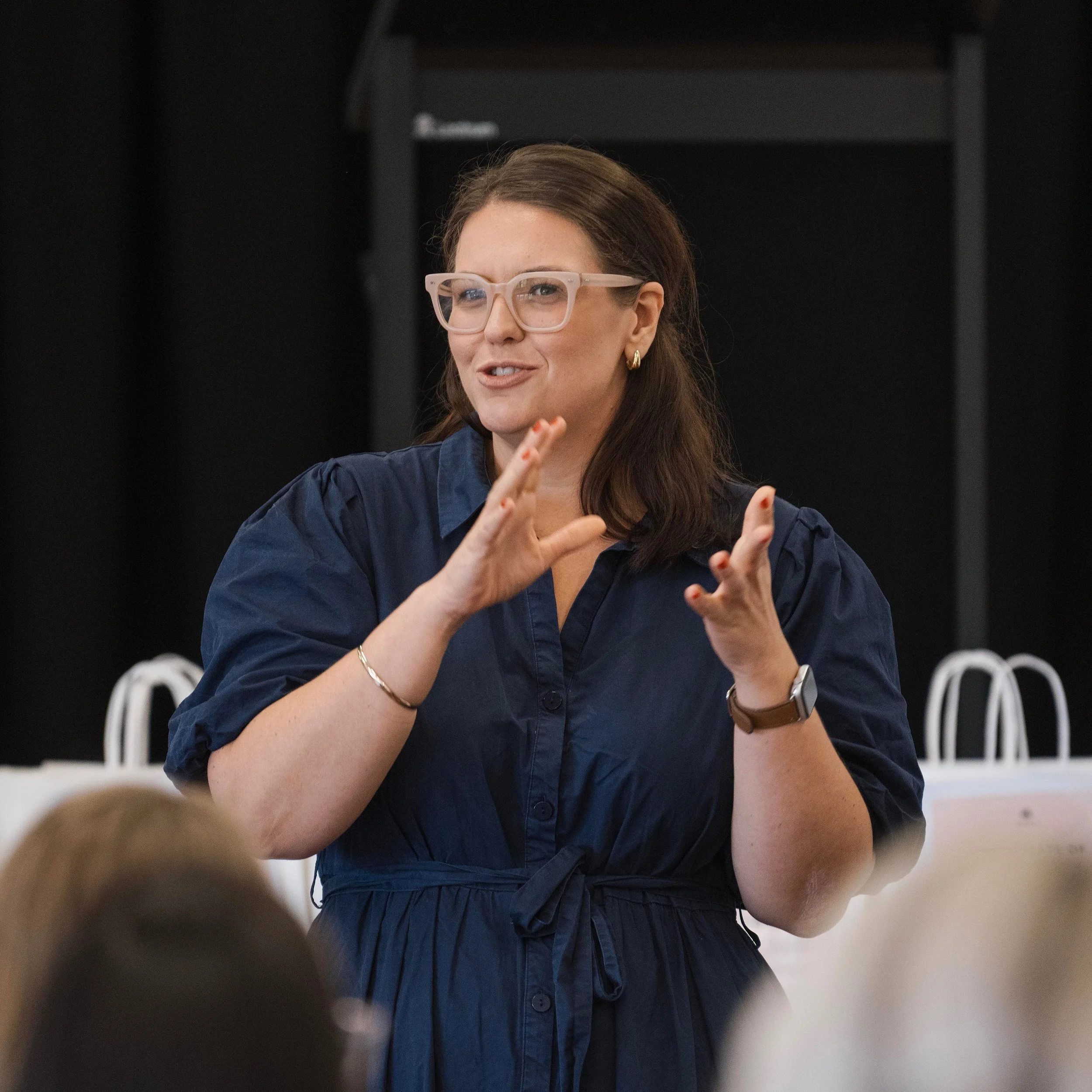
Tanya Hennessy, an Australian comedian, author, and media personality, is renowned for honest storytelling and amazing humour. As a QENDO Ambassador, she is dedicated to raising awareness about endometriosis, and bringing empathy to this often misunderstood condition. Tanya aims to promote QENDO’s free services, reduce stigma, and advocate for improved care within workplaces and communities.
INFORMATION HUB
ENDOMETRIOSIS
Endometriosis is a chronic condition where tissue similar to the lining of the uterus grows outside the uterus, causing pain, infertility, and other symptoms. Discover our guides and resources below.
POLYENDOCRINE METABOLIC OVARY SYNDROME (PMOS)
Discover more about Polyendocrine Metabolic Ovary Syndrome (PMOS), a common hormonal disorder affecting many individuals. Information is available for parents, partners, schools, and workplaces.
ADENOMYOSIS
Explore the signs, symptoms, diagnosis, and management of adenomyosis. QENDO offers a variety of guides and resources for parents, partners, schools, and workplaces.
PELVIC PAIN
1 in 5 people live with persistent pelvic pain. Persistent pelvic pain is a diagnosis in itself! Learn about pelvic pain symptoms and tools to support your pain.
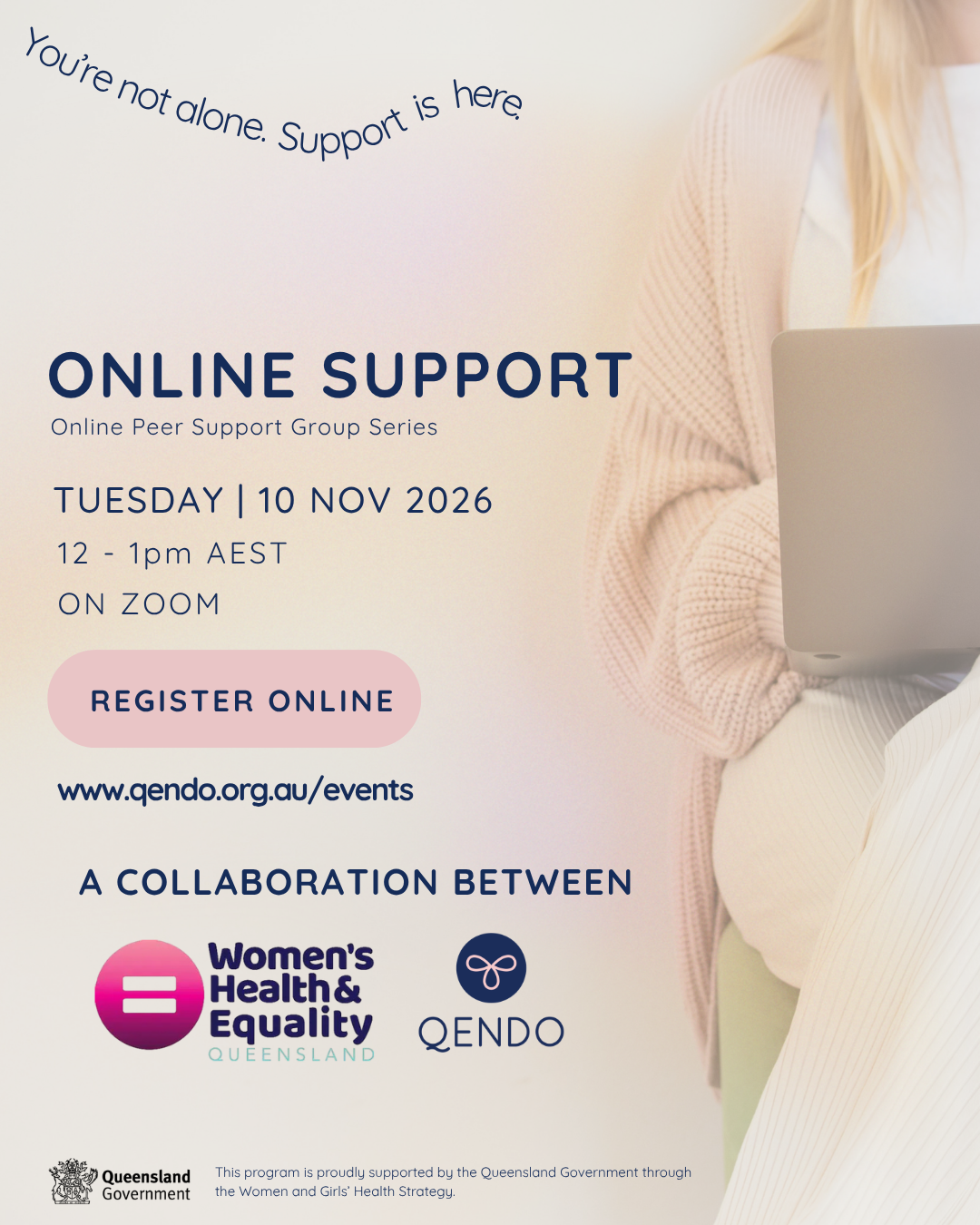
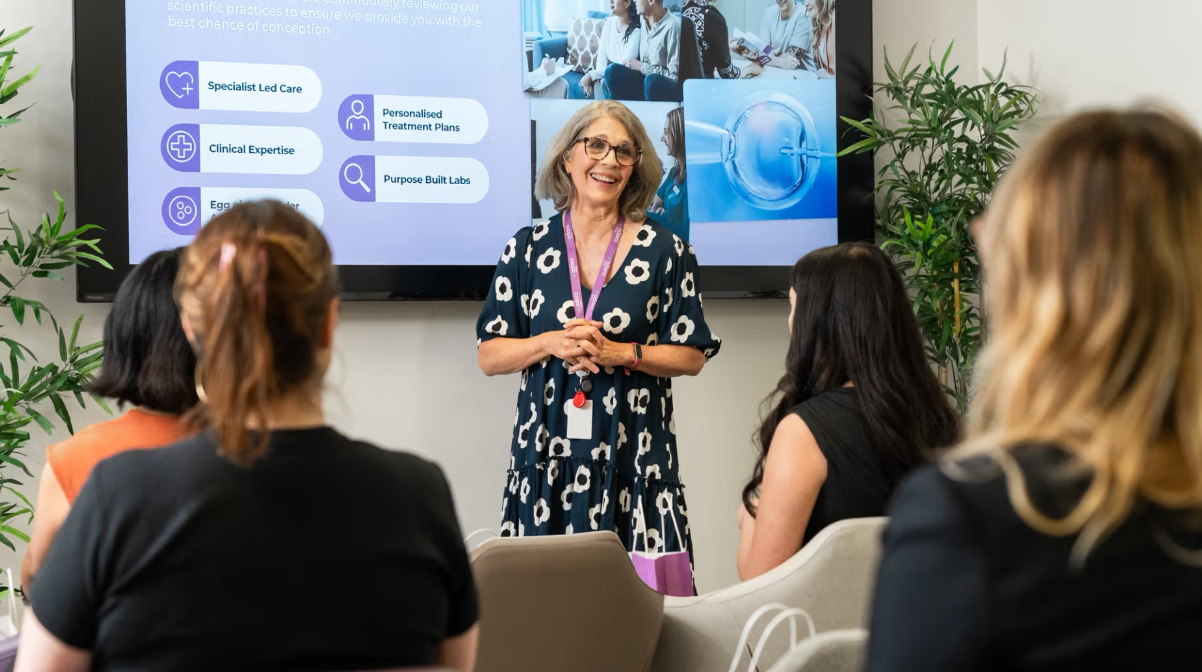
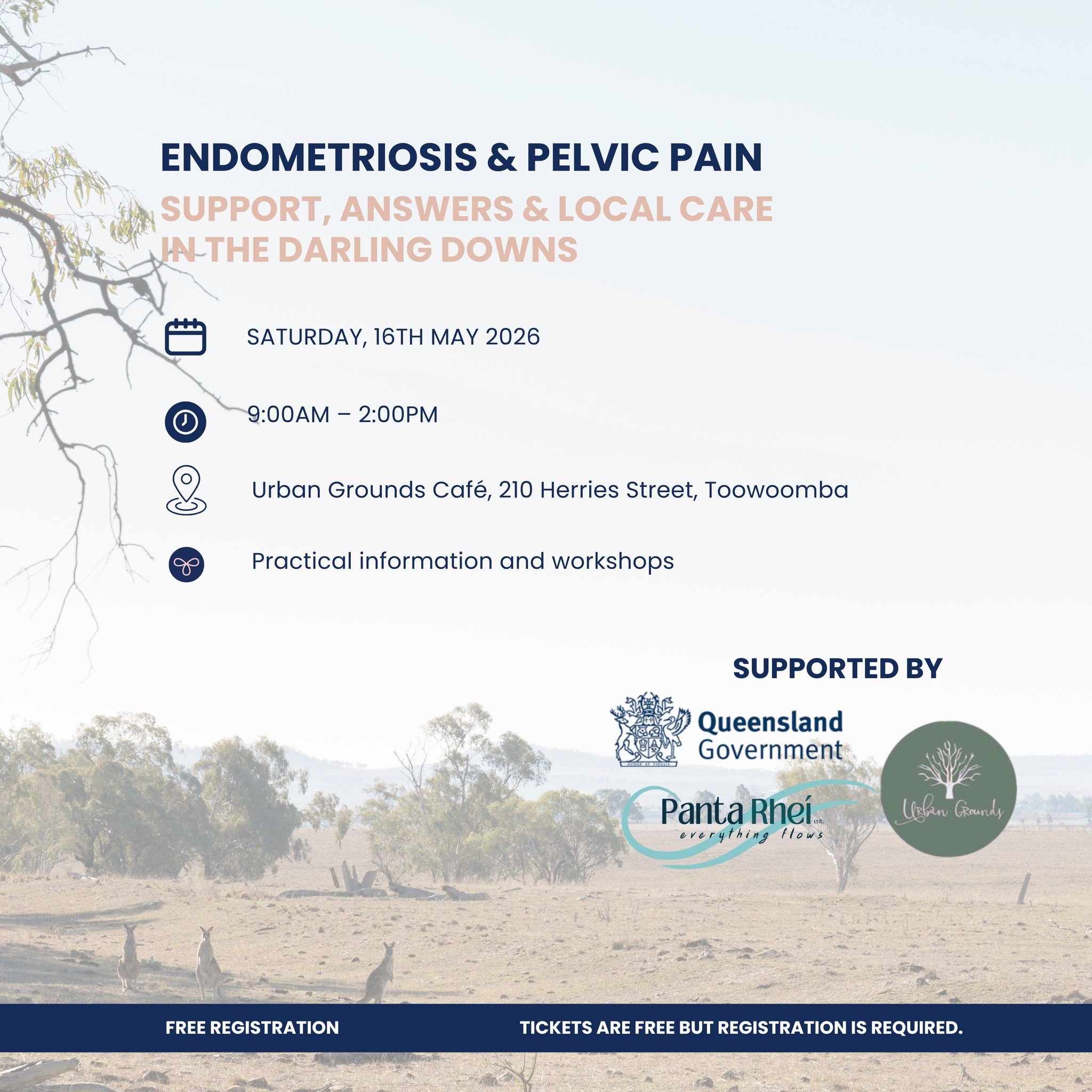
Upcoming Events

How can we help you?
-
Recently diagnosed or thinking what your experience isn't quite "normal"? Learn about symptoms, diagnosis, management and resources here.
-
When your child is diagnosed with a chronic illness like endometriosis, it can be a time of overwhelming emotion, uncertainty, and questions. As a parent, you naturally want to provide support and do everything you can to help them manage their health and well-being. However, navigating this new reality can be challenging—not only for your child but for you and your family as well.
This guide will walk you through what to expect, how to offer meaningful support, and how to help your child manage the physical, emotional, and social impacts of chronic illness.
-
Discussing fertility and endometriosis with your partner can be challenging yet essential for nurturing your relationship during this journey. Open communication fosters understanding, support, and emotional connection, helping both partners navigate the complexities of managing symptoms and fertility concerns. This section provides guidance on how to engage in these important conversations, ensuring that both you and your partner feel heard and supported as you work together to address the challenges ahead.
-
Our support eco-system is here to help your patients build their community and toolbox. Learn more about and order your free national resources for your patients here.
-
Managing a chronic condition while working can be challenging. Depending on the severity of your symptoms, you may need to make adjustments to your work schedule, tasks, or environment. Open communication with your employer is crucial to ensuring that you can balance your health needs with your professional responsibilities.

Our Partners & Supporters




ACKNOWLEDGEMENTS
QENDO is committed to honouring Australian Aboriginal and Torres Strait Islander peoples’ unique cultural and spiritual relationships to the land, waters and seas and their rich contribution to society. We acknowledge the Traditional Owners of the land where we volunteer, work and live. We pay our respects to Elders past, present and emerging. We celebrate the stories, culture and traditions of Aboriginal and Torres Strait Islander Elders of all communities who also work and live on this land.
We also like to acknowledge the many the leaders, tribes, people, organisations and advocates who have spoken about the issues and topics we face today, for decades. The work we are doing here builds on their legacy, their dedication and their advocacy that has preceded us.
QENDO acknowledges the diversity across the endometriosis community and whilst we have considered the terminology used across our online presence and in updated printed content, we may not have used the right description that aligns with you. We acknowledge that identity is a complex and ongoing conversation.
QENDO acknowledges individuals in the transgender community and people who are non-binary and living with endometriosis who may not identify as women.
If you come across content on our website where consideration of inclusive language requires attention, please contact us. We too are learning and would welcome your guidance and feedback.