
Polyendocrine Metabolic Ovarian Syndrome (PMOS)
Polyendocrine Metabolic Ovarian Syndrome (PMOS), formerly known as Polycystic Ovarian Syndrome (PCOS), is a common hormonal and metabolic condition affecting approximately 1 in 10 people assigned female at birth during their reproductive years.
Following 14 years of international research, advocacy and consultation with people with lived experience, healthcare professionals, researchers and organisations around the world, the condition traditionally known as PCOS is transitioning to a new name: PMOS.
This change reflects a growing understanding that the condition is not solely about the ovaries, fertility or the presence of ovarian cysts. In fact, many people diagnosed with PCOS do not have ovarian cysts. The new terminology better recognises the complex hormonal, metabolic, endocrine and whole-body impacts that can affect individuals throughout their lives.
A global transition period is now underway, during which both terms – PMOS and PCOS – may be used interchangeably.
What is PMOS?
PMOS is a complex endocrine and metabolic condition that can affect many systems throughout the body. While symptoms and experiences vary from person to person, PMOS commonly impacts reproductive, metabolic, cardiovascular and mental health.
The exact cause of PMOS remains unknown, however genetics, insulin resistance, hormonal factors and environmental influences are believed to contribute to its development.
PMOS is a lifelong condition that extends beyond fertility and reproductive health. Early recognition, diagnosis and appropriate management can help improve both short and long-term health outcomes.
Why the Name Change Matters
The transition from PCOS to PMOS reflects a broader understanding of the condition and the experiences of those living with it.
The new terminology aims to:
Better reflect the whole-body nature of the condition
Recognise impacts beyond reproductive health and fertility
Improve awareness and understanding
Support earlier recognition and diagnosis
Encourage more comprehensive care
Strengthen research, education and advocacy efforts
For many individuals, the name change represents an important step towards ensuring their experiences are accurately recognised and understood.
Symptoms of PMOS
-

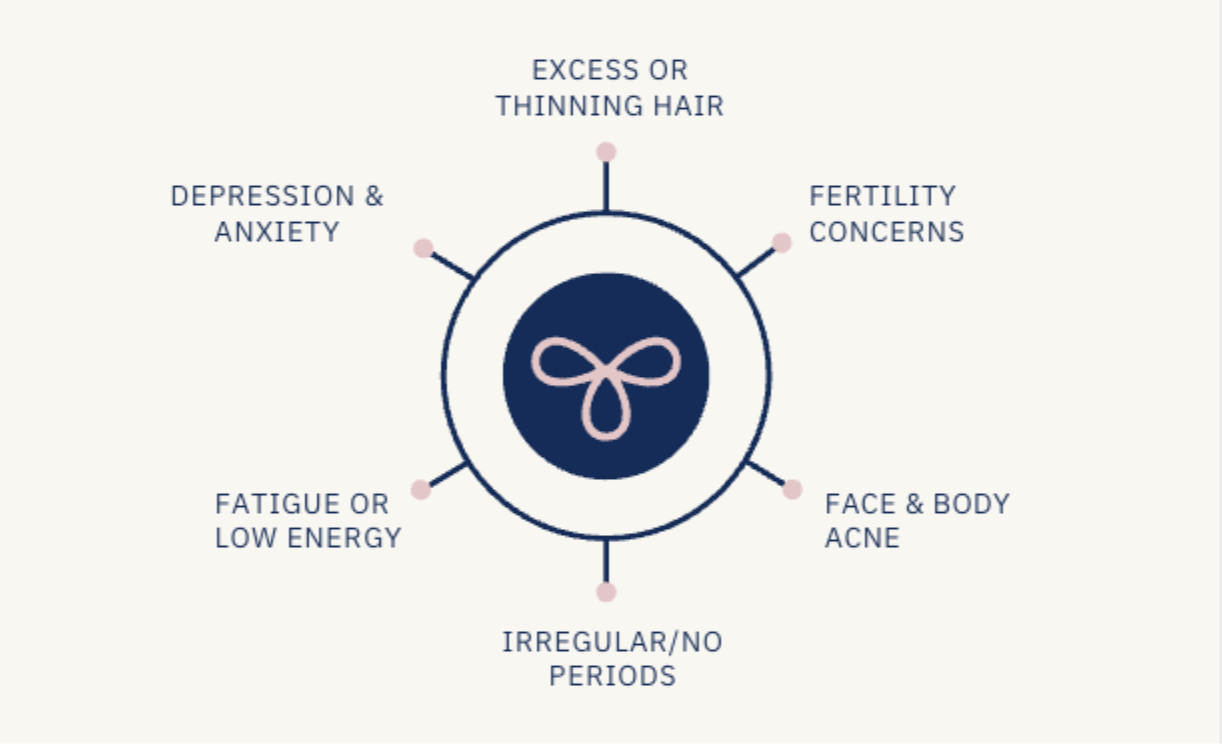
Excess or thinning hair
Excess hair growing on your face, chest, stomach or back also possible thinning hair or baldness.
-

Periods
Irregular periods or no periods at all.
-

Acne
Acne on your face and/or body.
-

Fatigue
Persistent fatigue that leaves you feeling exhausted, even with rest, is a common but often overlooked.
-

Fertility concerns
Difficulty falling pregnant or not falling pregnant at all.
-

Diabetes & Other Health Conditions
PMOS can increase the risk of developing a range of other health conditions.
Diagnosis
The diagnosis of PMOS is often difficult because there is a wide range of symptoms, and you don’t need to have all of them to be diagnosed with the condition.
There isn't a simple test that rules PMOS in or out.
You should see your doctor if you are feeling unwell and have any of the symptoms that could be caused by PMOS.
Your doctor will talk to you to try to understand your symptoms. They might want to examine you.
You may be asked to have:
blood tests to check your hormones (such as testosterone), cholesterol and glucose levels in the blood.
an ultrasound scan to look at your ovaries and check for the presence of multiple cysts (fluid-filled sacs).
Management & Treatment
-

ManageEndo
Understanding your symptoms and learning how to manage those symptoms can help to improve your quality of life. Our free ManageEndo online program talks through a range of tools you can add to your "toolbox".
-

Medical Treatment
Managing PMOS effectively often requires a multifaceted approach, focusing on a combination of medical treatment and lifestyle adjustments. Medications may be prescribed to address specific symptoms, while cosmetic treatments can help with appearance-related concerns. However, the cornerstone of PMOS management is adopting a healthy lifestyle, which includes a balanced diet and consistent exercise. These lifestyle changes not only help mitigate the physical manifestations of PMOS but also support emotional well-being and mental health.
-

Building your Team
Building a supportive team is key to managing endometriosis effectively. Your team might include healthcare professionals like a gynecologist, pain specialist, pelvic physiotherapist, and dietitian, as well as a trusted support network of family, friends, or peer groups. Each person plays a role in helping you navigate your treatment, understand your options, and advocate for your needs. By surrounding yourself with the right mix of expertise and support, you can create a more comprehensive approach to managing your symptoms and improving your overall well-being.