The QENDO Blog
The QENDO Blog is a platform focused on providing valuable content related to the health, well-being, and lifestyle of people with endometriosis. It offers informative articles, personal stories, expert advice, and resources to support individuals navigating this chronic condition. The blog aims to raise awareness, educate, and create a sense of community for those affected by endometriosis.
How Thrive As You Dietetics Came to Life
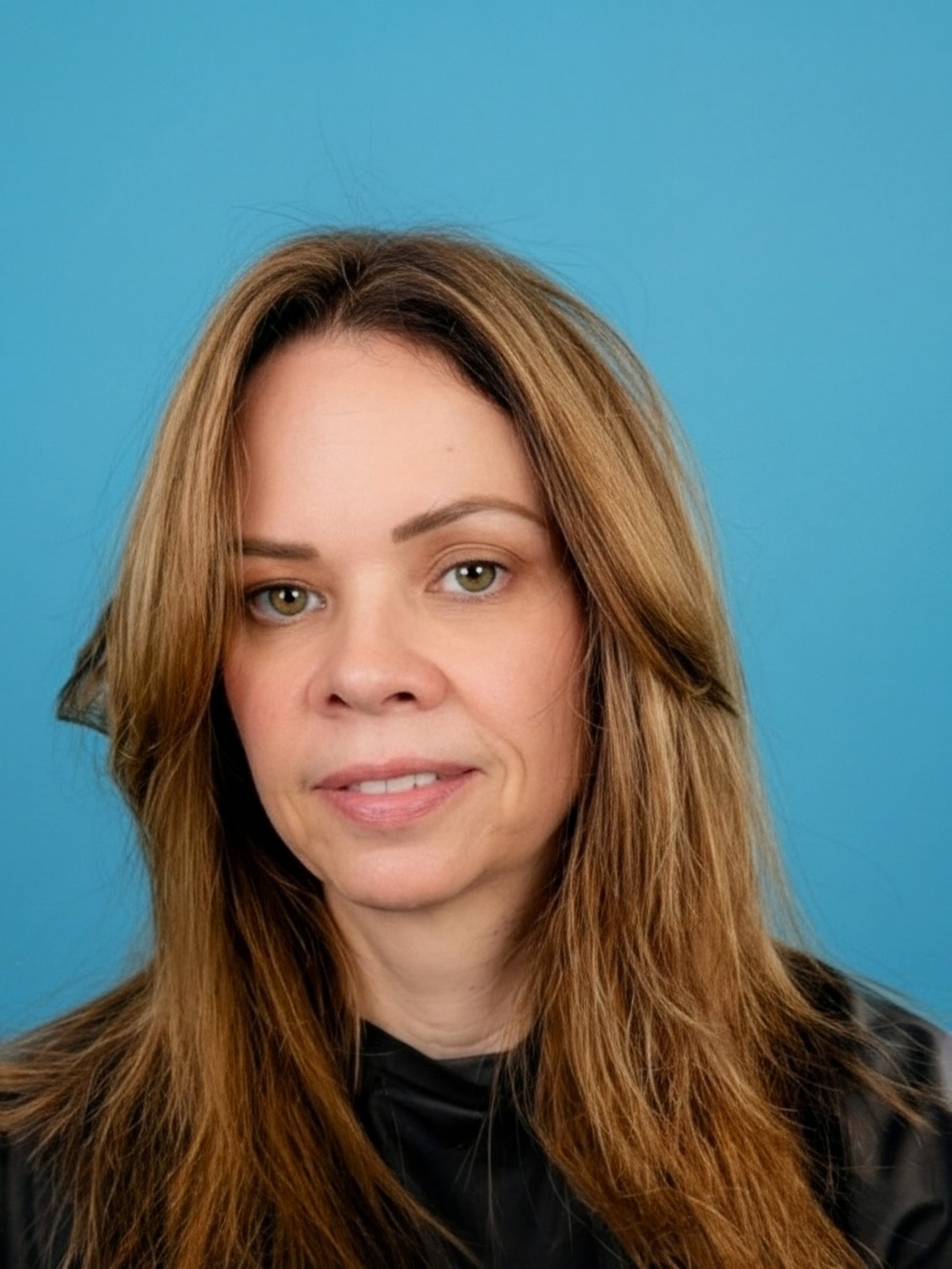
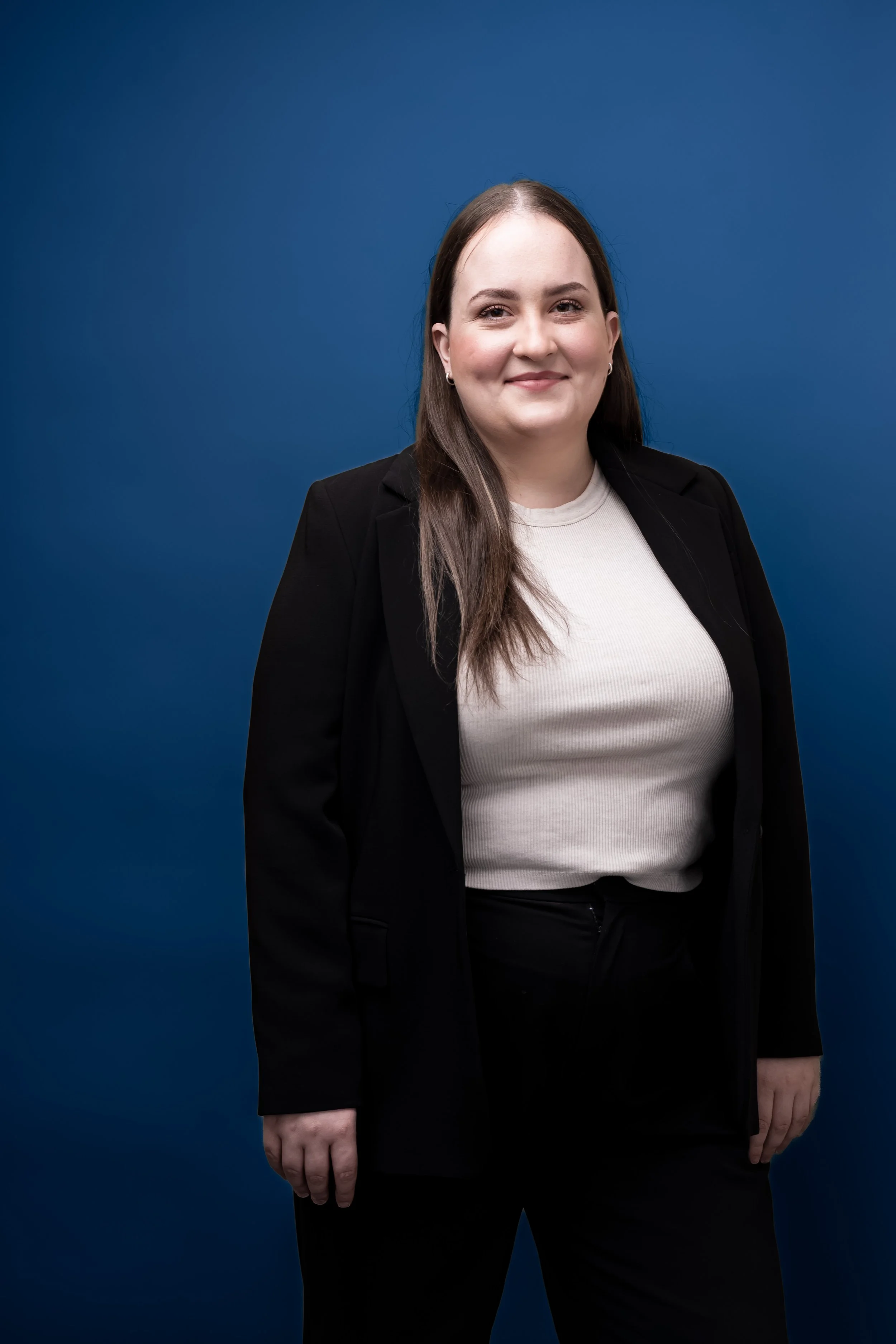
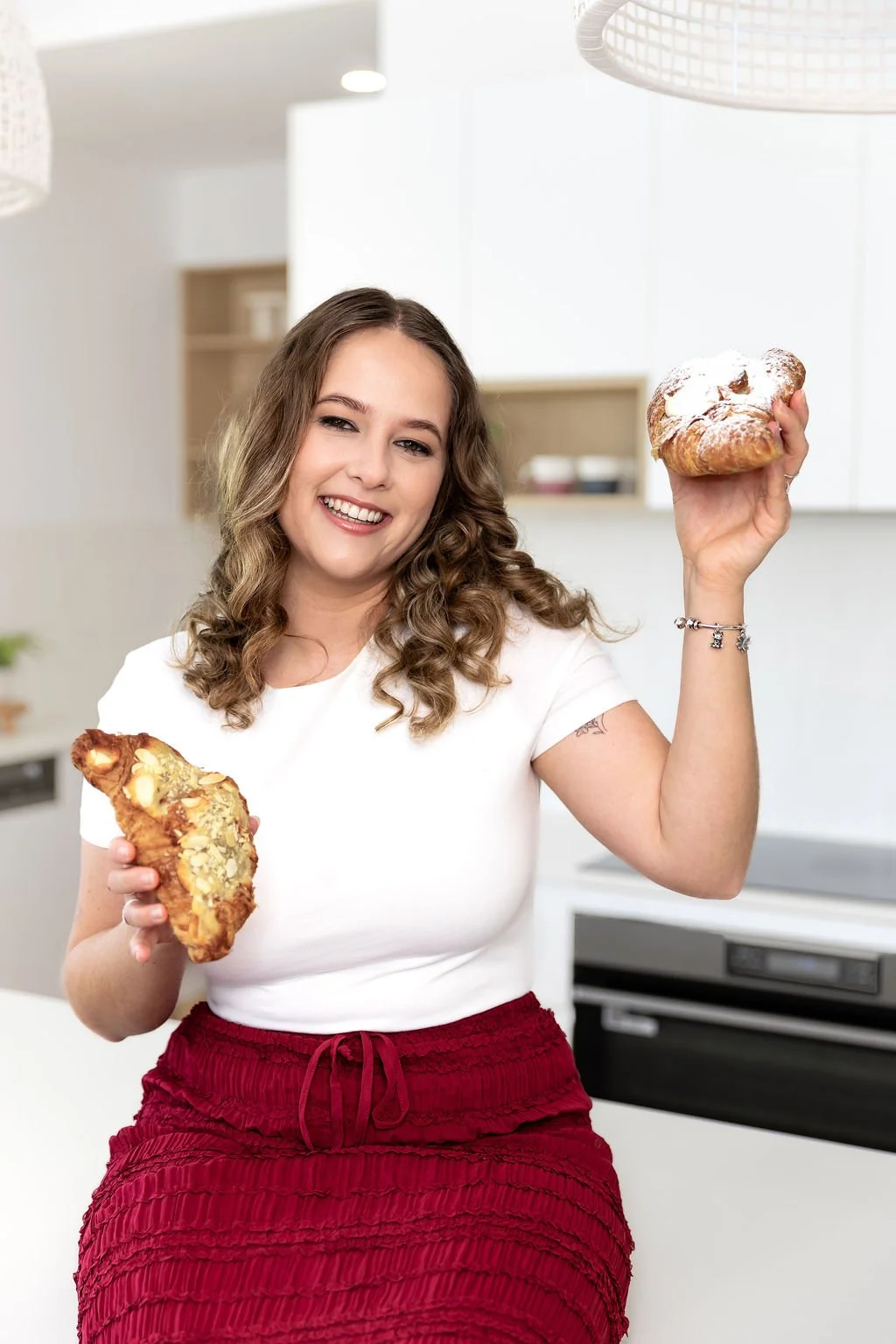
Alannah Woodrow, a dietitian and chronic illness survivor, shares her journey of how Thrive As You Dietetics was created. Initially expecting to work in clinical settings, her experiences with unsupportive healthcare and her own health challenges—including endometriosis, pelvic pain, neurodivergence, and connective tissue disorders—led her to realize the gaps in traditional healthcare. Frustrated by the lack of lived experience, trauma-informed, and neurodiversity-affirming care, she decided to build her own practice.
Thrive As You Dietetics is a space designed for humans living with chronic pain and invisible illnesses, emphasising authenticity, compassion, and a whole-body, individualised approach. Alannah aims to provide care that fosters trust, autonomy, and joy, supporting clients to reconnect with their bodies, food, and themselves. The practice prioritises understanding, safety, and strength-based support for those often dismissed or misunderstood by mainstream healthcare systems. Ultimately, it’s about creating a community where clients can feel seen, heard, and empowered in their health journeys.
Living With Endometriosis: My Pelvic Pain Story
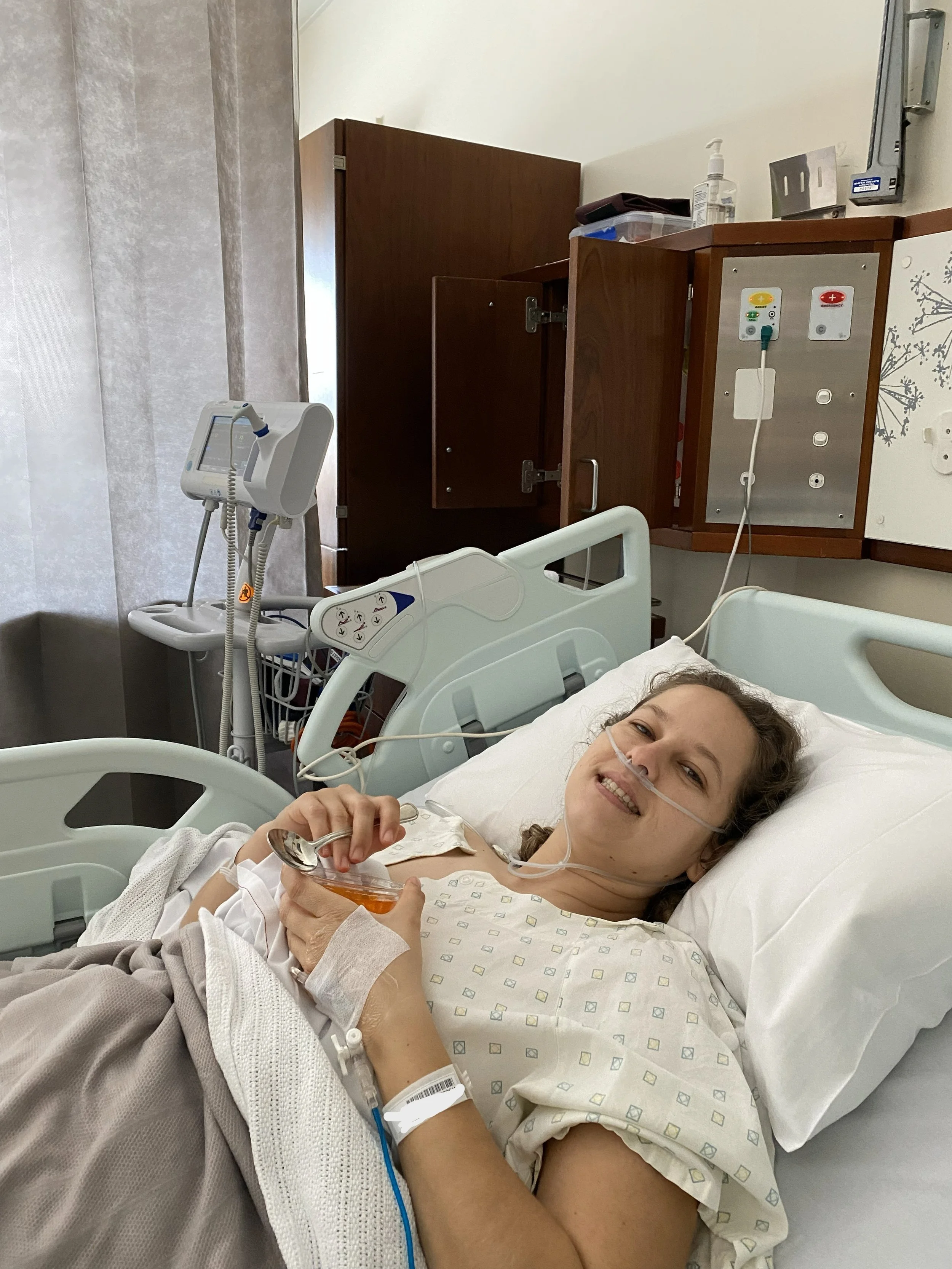
Alannah Woodrow shares her personal journey living with endometriosis, highlighting her early symptoms of debilitating period pain, fatigue, and invisible suffering that was often dismissed or misunderstood. Despite managing her symptoms for years, she only received a proper diagnosis in 2022 after confiding in friends, which led her to seek medical attention. Multiple gynecologists offered varying levels of support, with some dismissing her concerns and others validating her symptoms. Ultimately, she underwent a diagnostic laparoscopy in late 2023, which confirmed the presence of endometriosis. Alannah emphasises the isolation many women feel with this condition and shares her motivation for telling her story—to raise awareness and foster understanding, especially for those navigating similar struggles. She also hints at her future plans to create a supportive space for people living with pelvic pain and related conditions through her work in dietetics.
Living well after hysterectomy (with ovaries retained) – An informational guide
Living well after hysterectomy with ovaries retained involves understanding that while the removal of the uterus stops menstruation, the ovaries continue hormone production, which can sustain residual endometriosis or pain. Persistent symptoms such as pelvic pain, hormonal fluctuations, or discomfort may arise from remaining lesions, nerve or tissue involvement, or hormonal activity. Emotional and physical adjustments are common, including feelings of loss, changes in sensation, and ongoing recovery challenges. Supporting oneself through gentle movement, pain management, hormonal review, and trauma-informed self-care strategies is crucial, along with fostering emotional resilience through education, peer support, and self-compassion. Regular follow-up with healthcare professionals about hormone levels, pelvic health, and potential risks like adhesions or residual endometriosis ensures ongoing management. Ultimately, healing encompasses holistic physical, emotional, and lifestyle approaches, emphasising that individuals are more than their uterus and can shape their well-being and recovery journey with support and self-advocacy.
Endometriosis and Neuropathic Pain: How Pain Rewires Our Nervous System by Alice S
This blog will explore the connection between endometriosis and neuropathic pain, examining how chronic pain can lead to changes and rewiring in the nervous system.
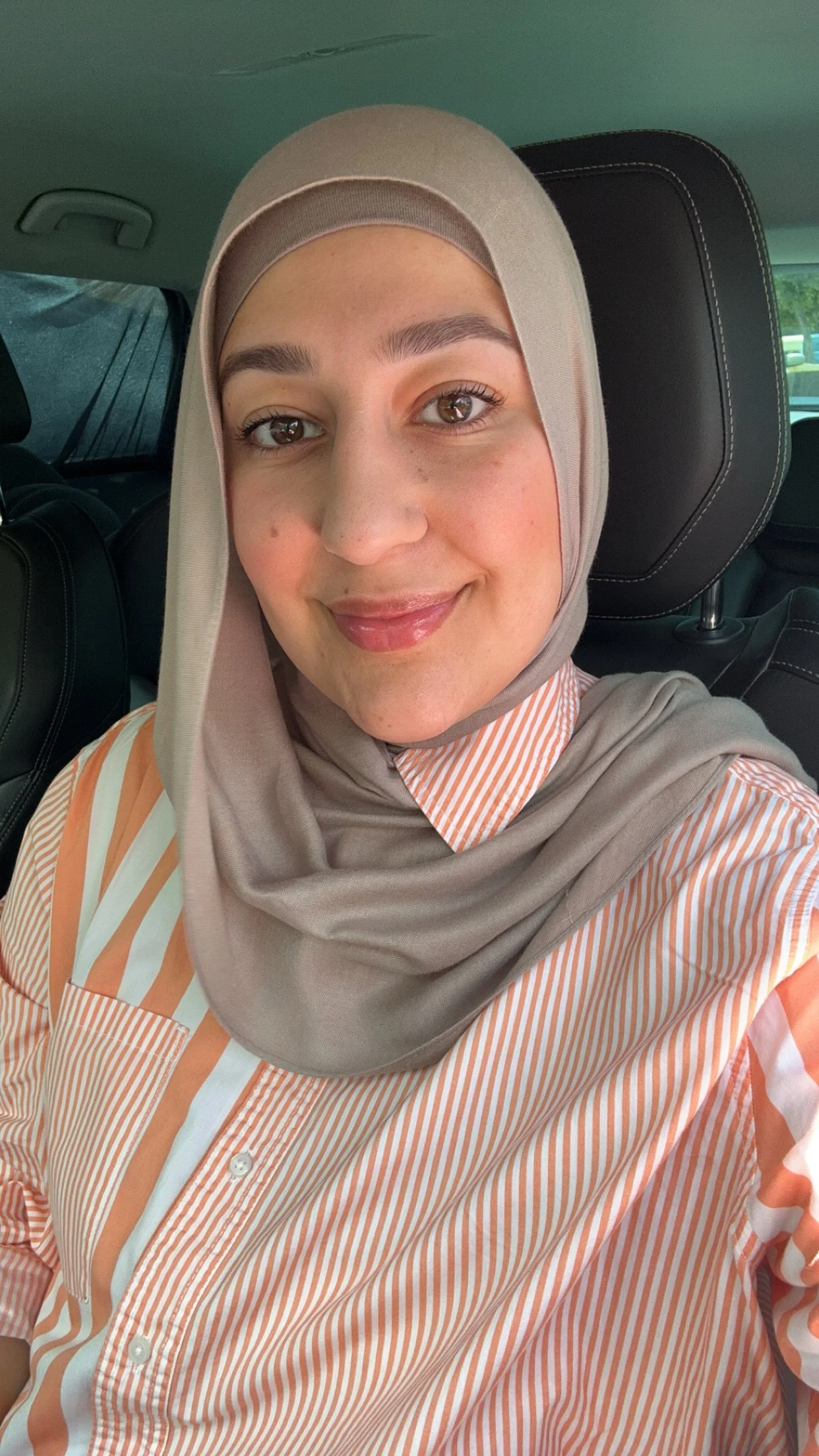
A Personal Story: Diana
Hi I’m Diana and I'm from Melbourne. I live with Endometriosis, one kidney, and uterus didelphys (a rare condition where I have two uteruses a unicornuate in my case). My first period arrived when I was just 11 years old, and it changed the course of my life every cycle.
View by Month
- October 2026
- September 2026
- June 2026
- April 2026
- March 2026
- February 2026
- December 2025
- July 2025
- June 2025
- May 2025
- April 2025
- March 2025
- February 2025
- December 2024
- November 2024
- October 2024
- September 2024
- August 2024
- July 2024
- November 2023
- October 2023
- July 2023
- October 2022
- June 2022
- April 2022
- March 2022
- February 2022
- January 2022
- December 2021
- November 2021
- October 2021
- September 2021
- August 2021
- July 2021
- June 2021
- May 2021
- April 2021
- March 2021
- February 2021
- January 2021
- December 2020
- November 2020
- October 2020
- September 2020
- August 2020
- July 2020
- June 2020
- May 2020
- April 2020
- March 2020
- February 2020
- January 2020
- December 2019
- November 2019
- October 2019
- September 2019
- August 2019
- July 2019
- June 2019
- May 2019
- April 2019
- March 2019
- February 2019
- January 2019
- December 2018
- November 2018
- October 2018
- September 2018
- August 2018
- July 2018
- May 2018
- April 2018
- March 2018
- December 2017
- November 2017
- October 2017
- July 2017
- May 2017
- April 2017
- March 2017